
Webinar: “The Better Angels” with Bob Plumb
Based on his eponymous book, Bob Plumb tells the stories of five women who changed Civil War America – Harriet Tubman, Harriet Beecher Stowe, Clara Barton, Julia Ward Howe, and Sarah Josepha Hale.
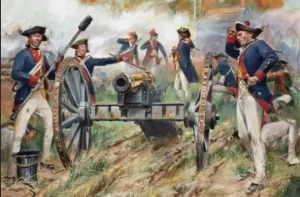

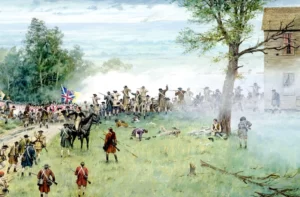
Ridgefield Historical Society staff and researchers from Heritage Consultants, LLC are documenting areas in town where fighting occurred in addition to the three most well-known engagements along Route 116. What is less known is the fighting that occurred throughout town afterwards which may be described as a “fourth engagement.”

The first road paving, part of a state experiment, was done on the eastern end of Branchville Road around 1912. Catoonah Street was paved in 1922.
Gilkes, Lillian Barnard, (1903-1977), was a nationally recognized scholar, author and critic who lived at 93 Olmstead Lane with stepsister.
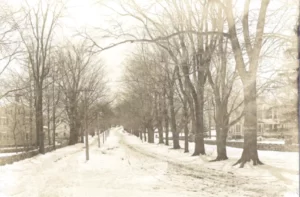
What was winter weather like in Ridgefield in decades and centuries past? A synopsis of memorable storms over almost 2 centuries.
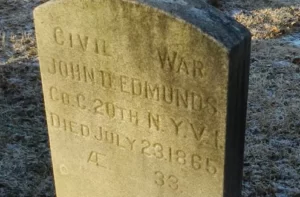
John D. Edmonds was probably a Ridgefield native and as a teenager taught school in town. In 1861 he enlisted for three years in the Civil War, and may have been the town’s first lawyer.

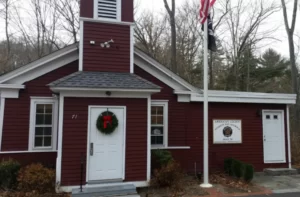
Everett Ray Seymour Post 78, began Aug. 20, 1920 by World War I veterans. Its name recalls the first Ridgefielder to die in combat in WWI.
Ridgefield Historical Society staff and researchers from Heritage Consultants, LLC are documenting areas in town where fighting occurred in addition to the three most well-known engagements along Route 116. What is less known is the fighting that occurred throughout town afterwards which may be described as a “fourth engagement.”
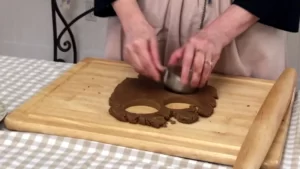
In this video, Candiss gives a little history on spice cookies made during the Colonial era. The ingredients were costly, which is why they were made only once a year during the holidays. She explains a recipe from Colonial Williamsburg prepared in two ways: English and Dutch.

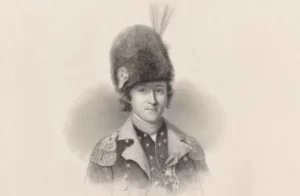
In summer 1779, established a barracks for his Partisan Legion near the intersection of Barrack Hill and Old West Mountain Rds.