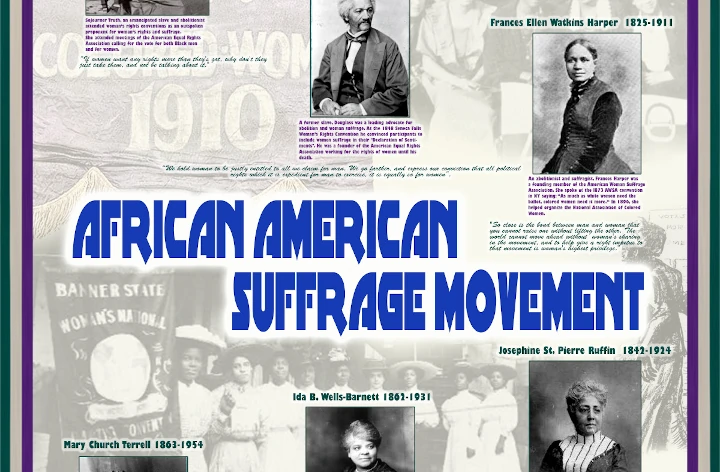
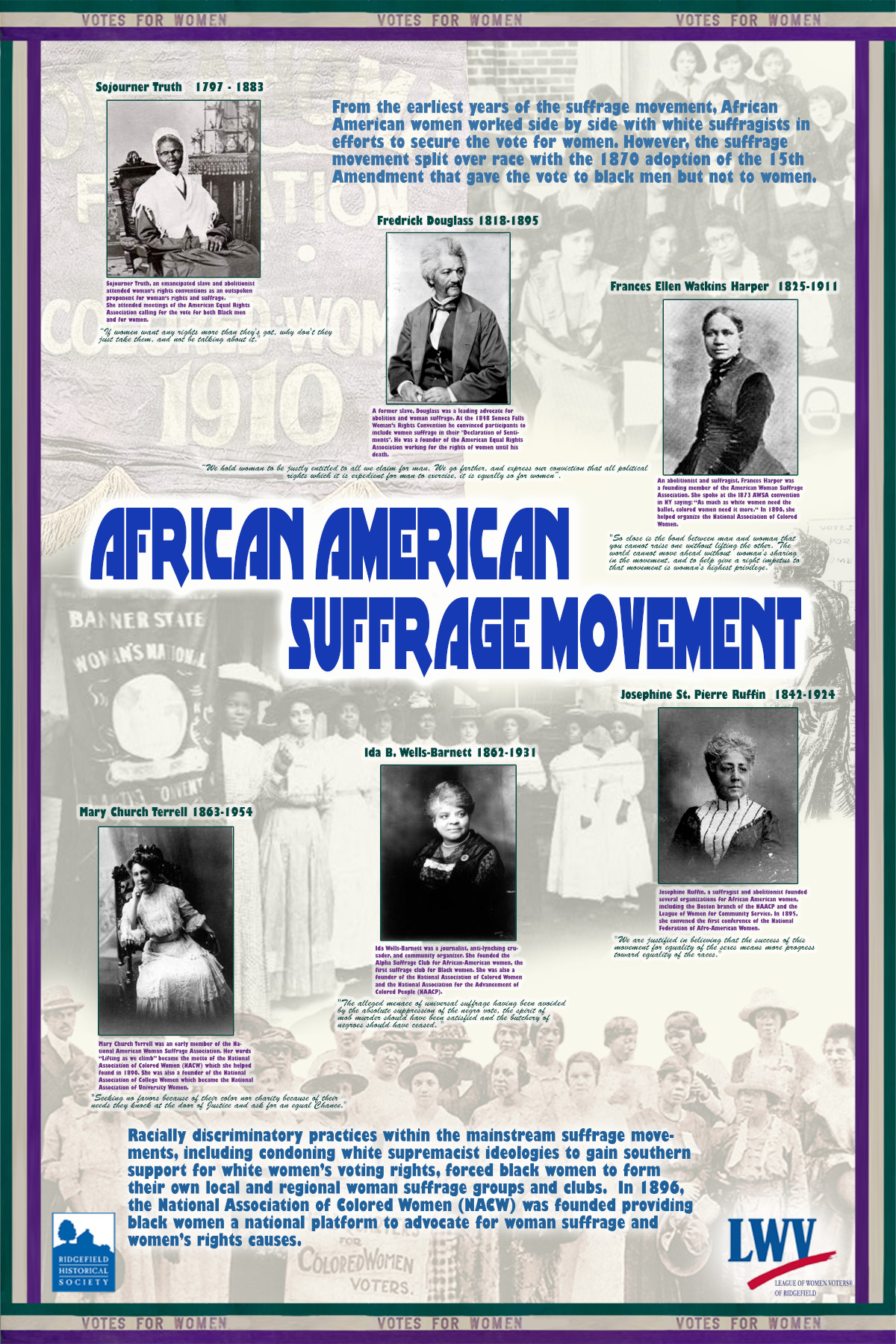
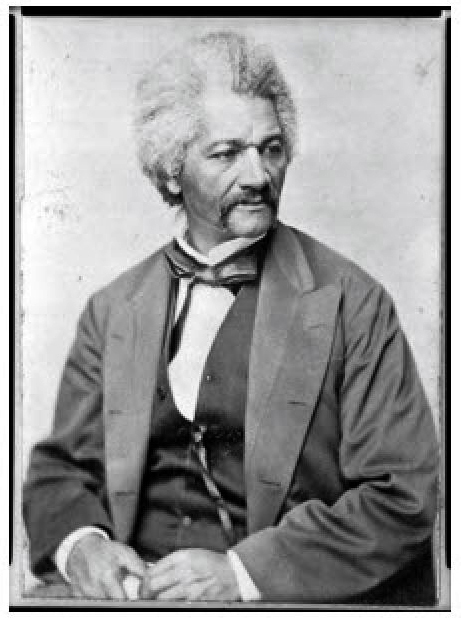
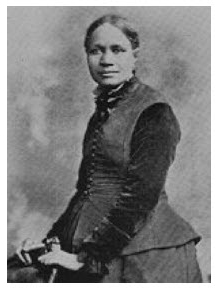
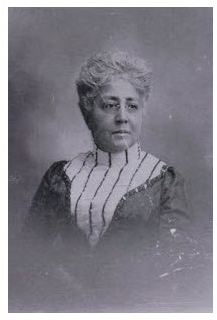
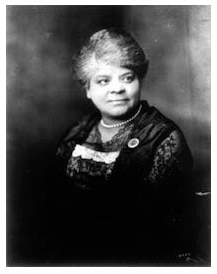
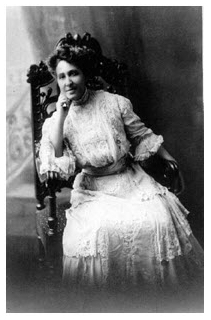
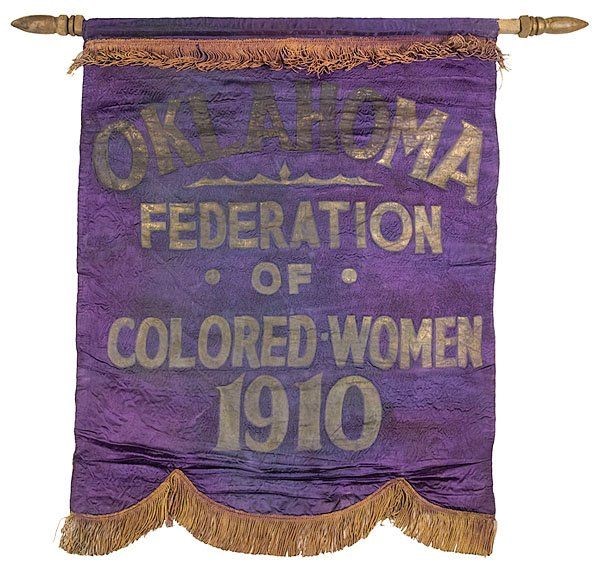
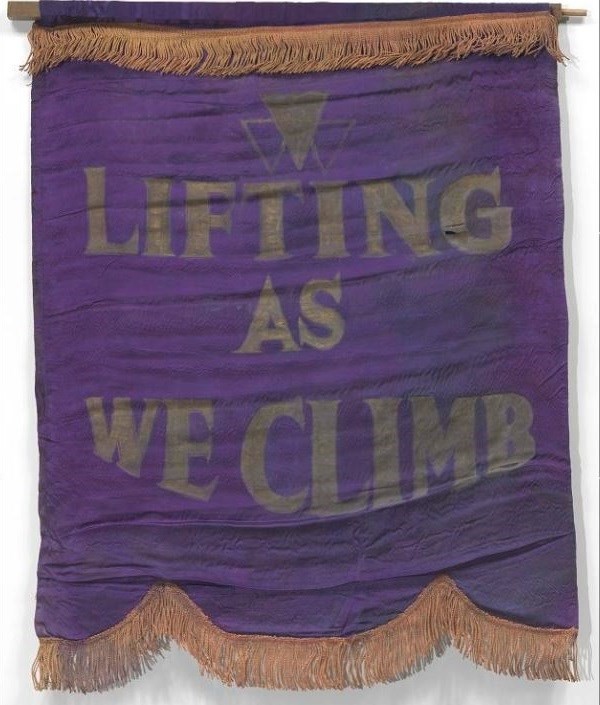
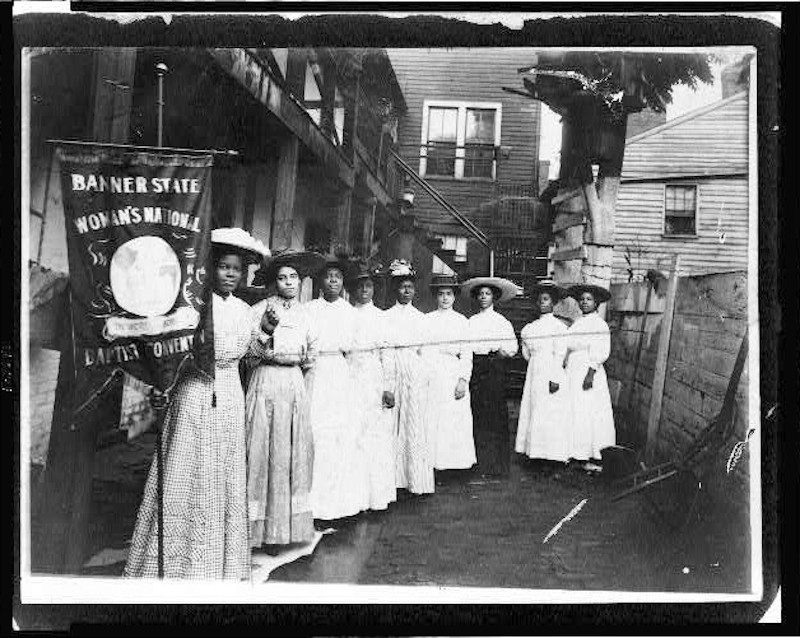
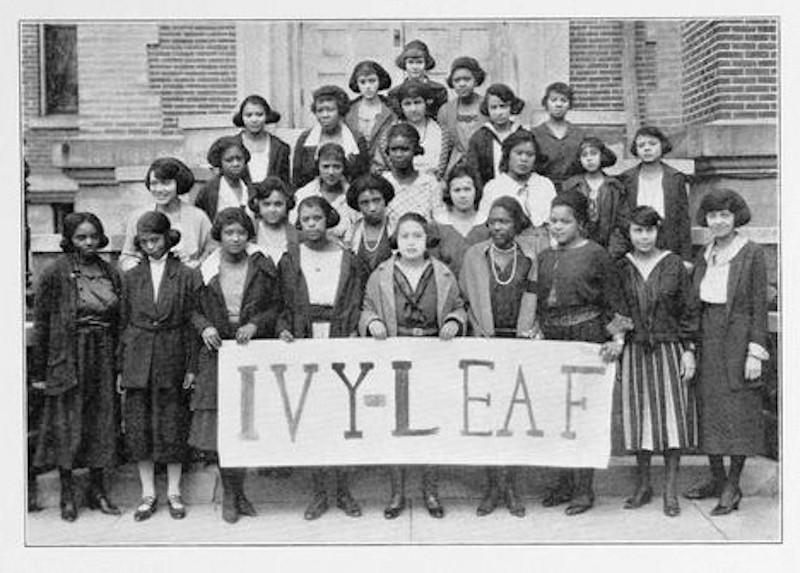
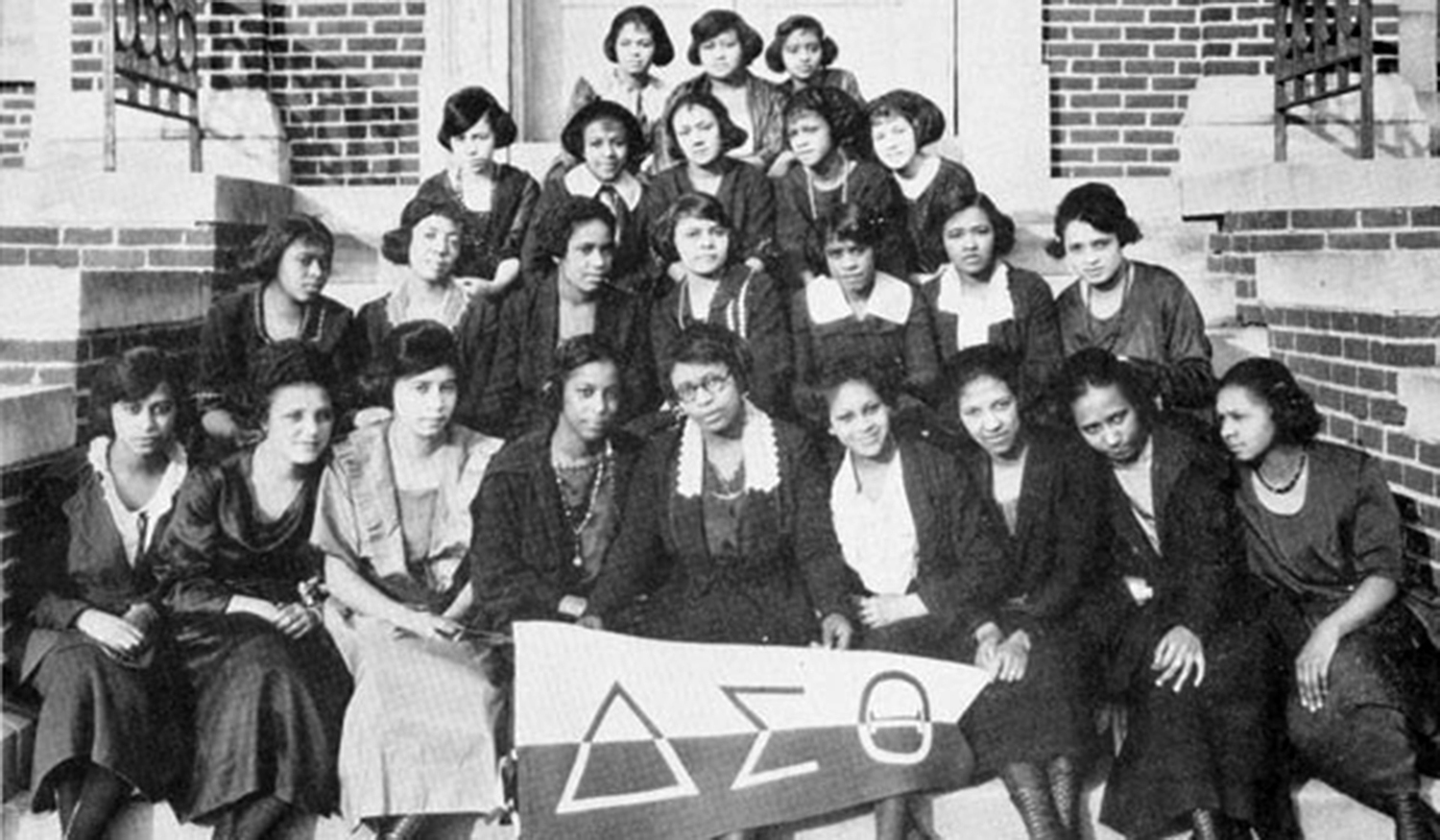
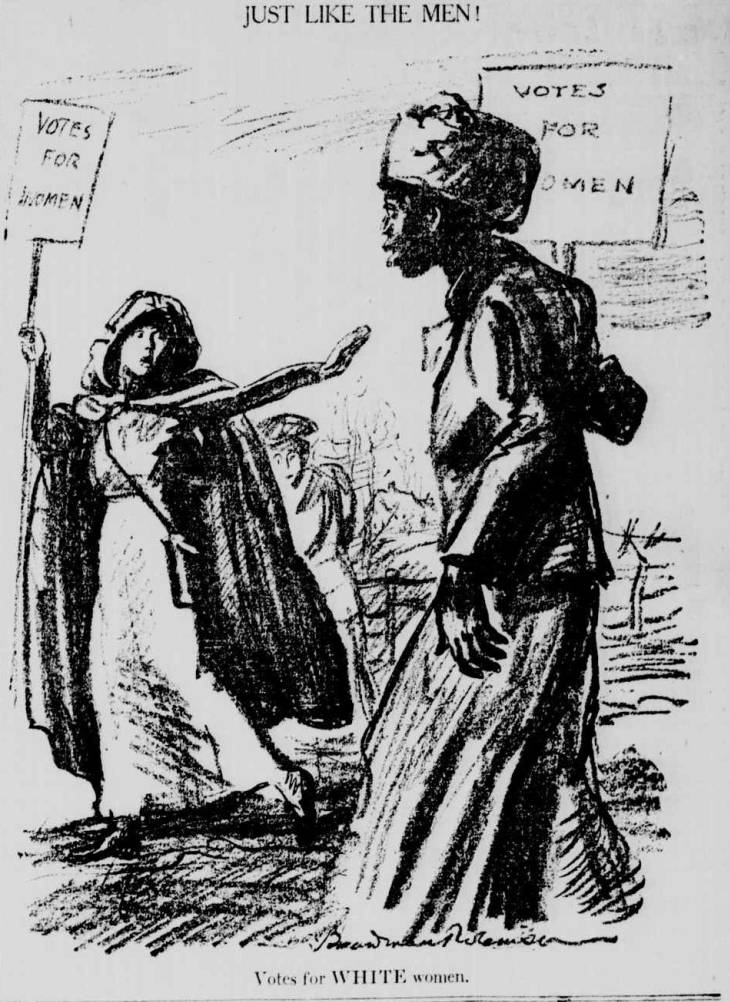
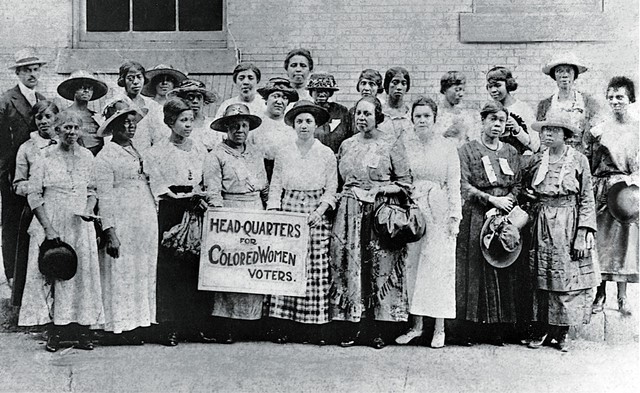
The women’s suffrage movement had roots that were contemporaneous with the abolition movement; in fact, early suffragists after the 1840s chose to delay work on their cause in favor of the abolition of slavery. However, the late 19th Century saw a rift in which the suffrage movement began to take on racist overtones when, in 1870, the 15th Amendment gave black men the right to vote before women; this led to black women forming their own advocacy groups. Read more on the exhibit panel below. (After clicking the thumbnail, click the grey button in the upper right corner to enlarge the image.)
“O Dear, What Can the Matter Be?”
The following folk tune is a traditional English nursery rhyme attributed to the late 18th Century, and has been adapted and parodied numerous times over the years. In 1884, L. May Wheeler wrote lyrics to support the suffrage movement, as you can hear below. (You can read more about Wheeler here.)