
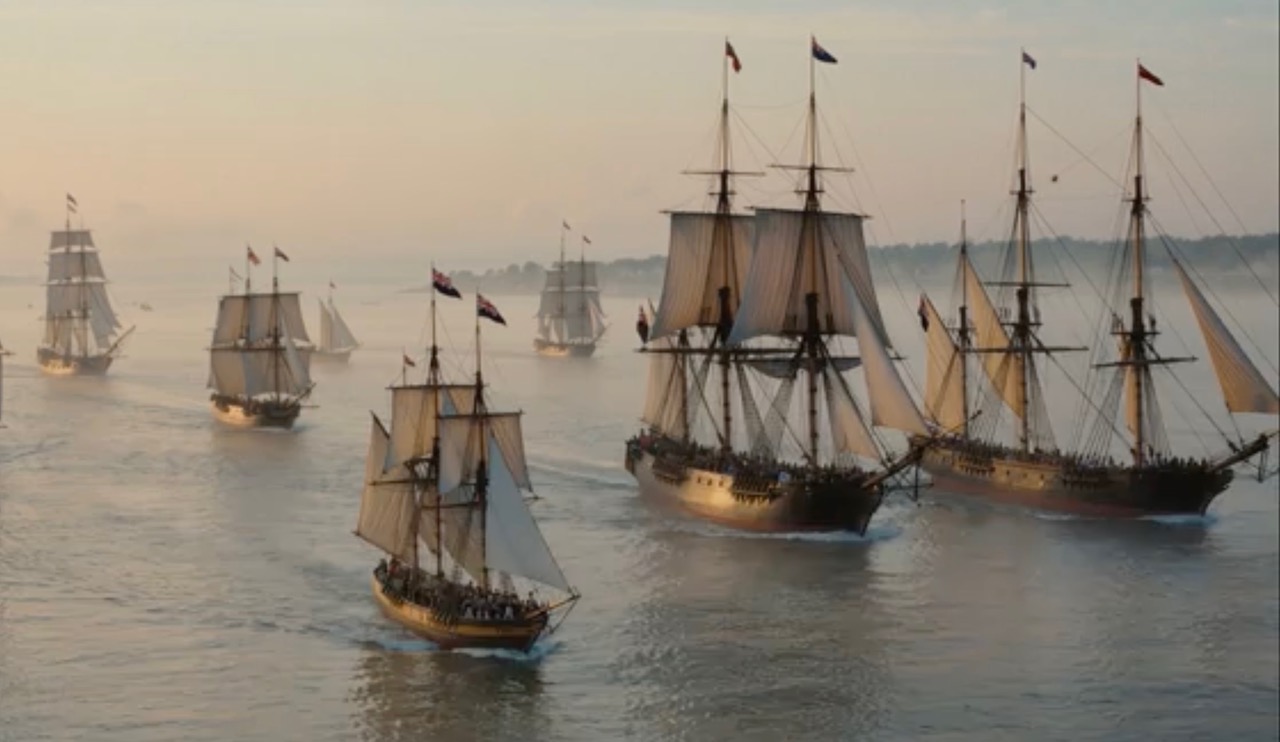
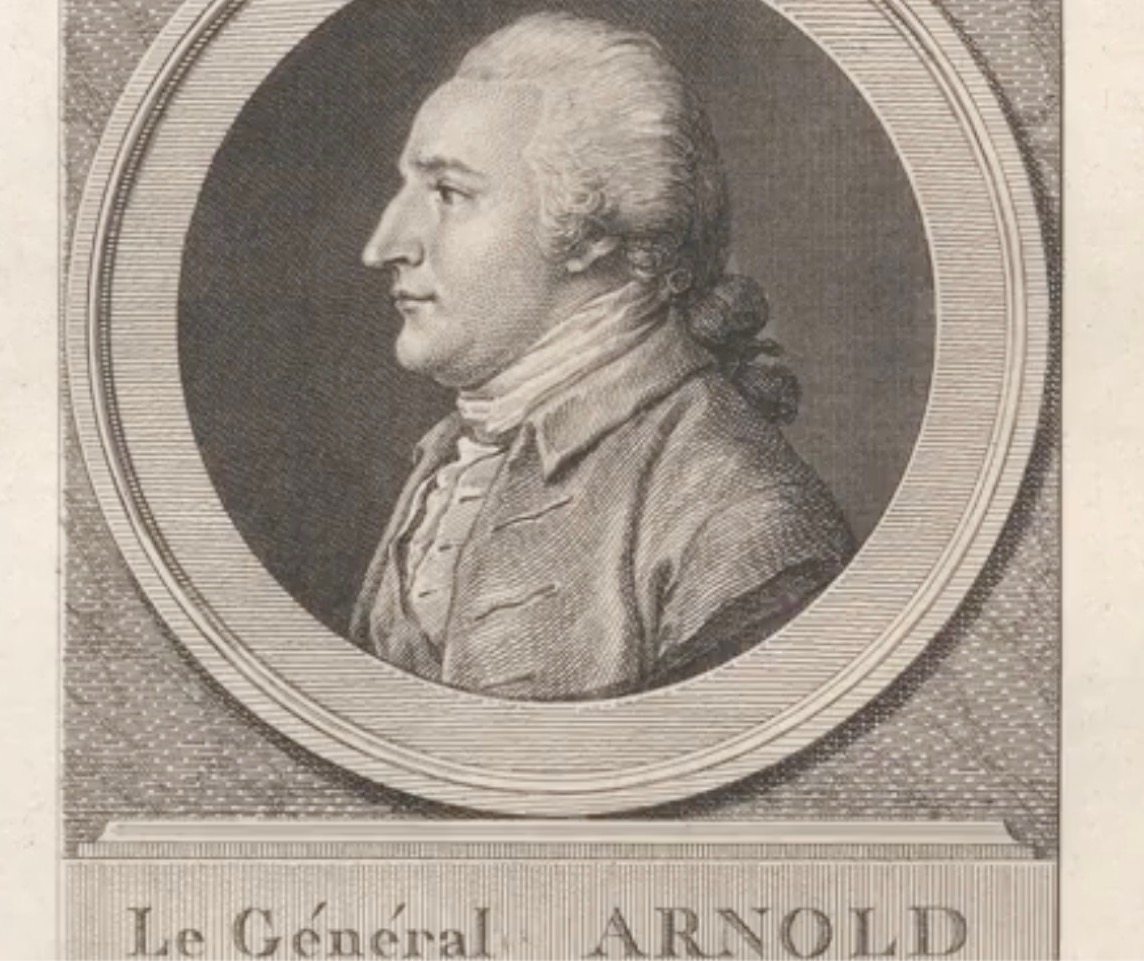
On April 25, 1777, a British force of 1,500 soldiers under the command of Major General William Tryon landed near Westport. Joined by 300 Loyalist soldiers from surrounding towns, including Ridgefield, the British marched approximately 20 miles inland and destroyed key Continental Army supplies in Danbury. As word of the British presence spread throughout the countryside, a force of 700 American Continental regulars and militia were mobilized under the command of Major General David Wooster, Brigadier General Gold Selleck Silliman, and Brigadier General Benedict Arnold. Their mission was to intercept and engage the British as they retreated to their ships in Long Island Sound.
The conflict began with two moving skirmishes (the First and Second Engagements) between General Wooster’s force of 200 soldiers and the British rear guard. The fierce Second Engagement, now believed to involve a surprise assault by the British, scattered Wooster’s men and left him mortally wounded. At the newly-discovered site of the Second Engagement, Heritage Consultants’ archaeologists determined that nearly all the British musket fire is represented by impacted musket balls, while most of the recovered American musket fire is unimpacted and probably dropped during the fighting. This artifact pattern reflects the shock experienced by the Patriot forces who were caught off guard when the British used the protection of a hillside to mass, turn, and engage them. The struggle appears to have involved intense hand-to-hand fighting as exemplified by the twisted butt of an American-made musket, the many plain buttons of the Patriots, and French-made musket pieces recovered from the area.
Wooster’s main goal had been to delay the British forces so Generals Silliman and Arnold could erect a barricade along Ridgefield’s Main Street and confront Tryon’s army. Wooster’s forces bought enough time to establish the barricade at a choke point on Main Street, where the Patriots and British fought the principal “Third Engagement” of the Battle. The heavily outnumbered Patriot forces put up a strong resistance to the British but broke ranks after about 30 minutes of fighting, with Arnold purportedly the last to leave the field.
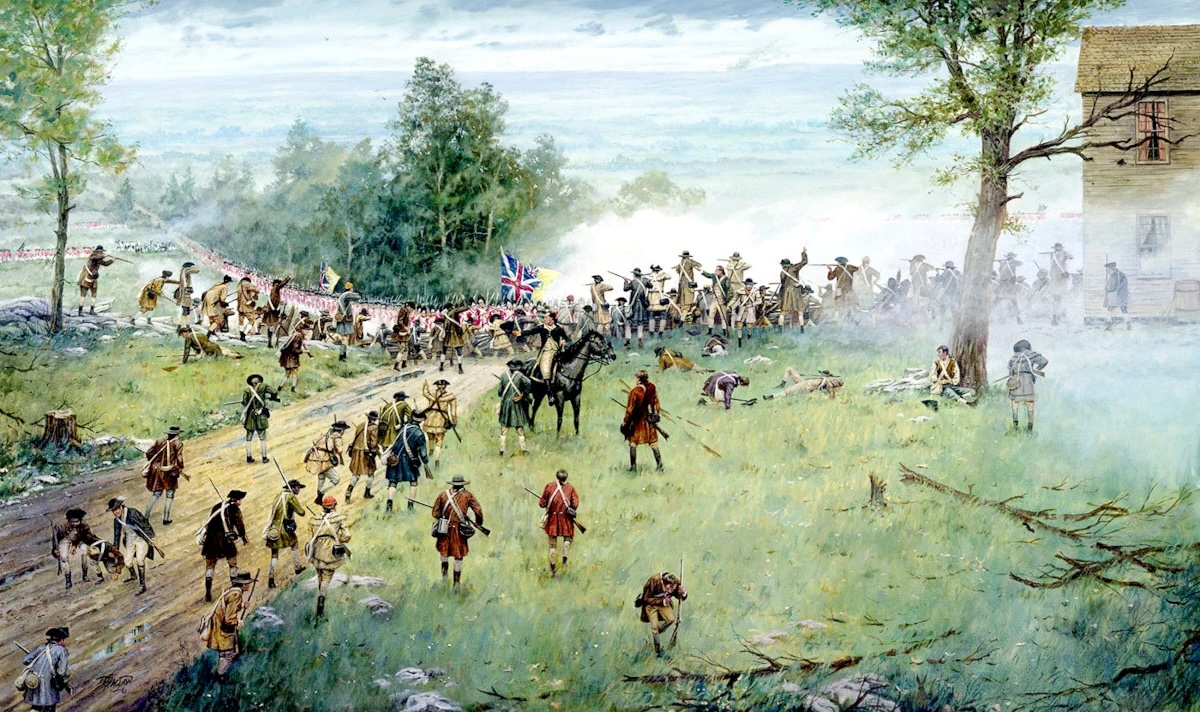
The British then chased the American forces through the town center, fighting several additional small skirmishes, collectively known as the “Fourth Engagement.” Artifacts recovered from that engagement offer new evidence that the Patriots attempted to regroup and once again repel the British. Previous historical accounts indicated only sporadic fire as the British advanced through the town, but impacted British and Patriot musket balls, as well as dropped “buck and ball” American ammunition, indicate more serious fighting.
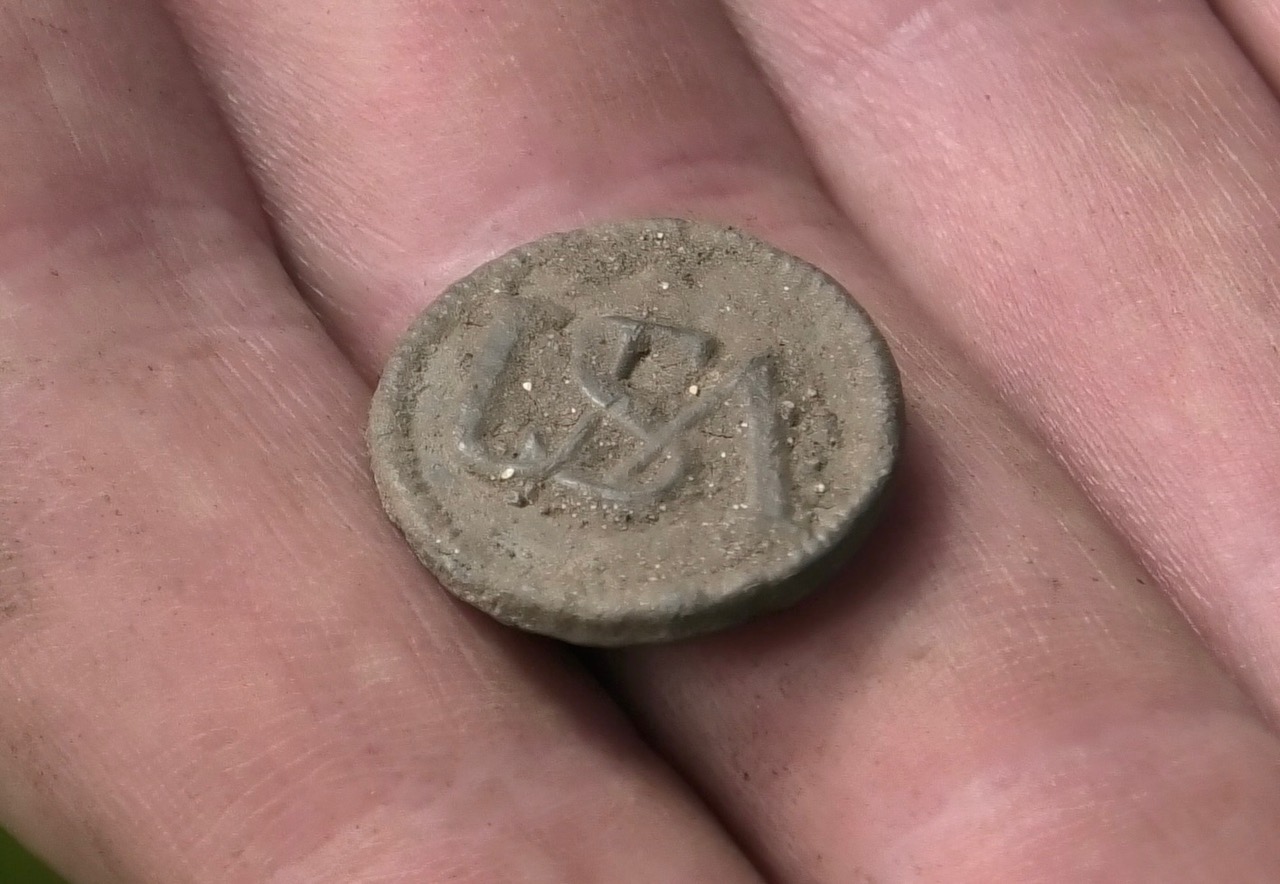
The historical and archaeological surveys led by the Ridgefield Historical Society involved metal detection, ground penetrating radar and shovel test pits and unearthed many artifacts recovered from what are now judged to be four separate engagements between American and British forces. The surveys have advanced the history of the town’s 1777 Revolutionary War battle in several key ways. As the British marched toward Main Street during the Second Engagement, the British ambushed Patriot force in a way that was more fierce than previously believed. Artifacts related to the Fourth Engagement discovered on the south end of Main Street provide evidence that the retreating Patriots made a concerted attempt to rally against the British forces. These artifacts include various battle related items, including Continental Army buttons marked “USA.” Those buttons provide the earliest archaeological evidence of this symbol worn by the new nation’s soldiers. Their discovery provides a visceral reminder that Ridgefield played an important role in our nation’s struggle against the Crown and suggests that more evidence of the battle might be preserved throughout the town.
The commitment of the Ridgefield Historical Society and its partners to study the Battle of Ridgefield has inspired renewed interest in the battle, advanced its understanding by combining historical and archaeological research, resulted in the recovery of tangible evidence of America’s struggle for independence, and raised awareness of the importance of the Town of Ridgefield in the American Revolution. This relatively early battle showed that the colonists, most of whom were ordinary citizens, and the newly minted Continental Army possessed the mettle to opposed British forces and prevail.