
Battle of Ridgefield
Findings
Archaeologists working with the Ridgefield Historical Society recently made exciting discoveries that advance the history of the 1777 Battle of Ridgefield.
- Artifacts they unearthed prove that a British ambush of Patriots north of Main Street resulted in an engagement more fierce than previously believed, and may have involved hand to hand fighting.
- Discoveries at the south end of Main Street show for the first time that the retreating Patriots made a concerted attempt to rally against the British.
- And Continental Army buttons stamped with “USA” provide the earliest evidence of symbols of the republic being worn by American soldiers… just ten months after the nation’s founding.
Articles about the Battle of Ridgefield
In 2022, the 245th Anniversary Weekend was a resplendent experience. If you participated, we thank you and hope you had as much fun as we did. Enjoy our related articles below.

Battle of Ridgefield Archaeology Project Blog Entry #5: Reflectance Transformation Imaging
This winter, archaeologists are using advanced imaging technology to reveal new details from metallic artifacts recovered during the Battle of Ridgefield investigations, offering fresh insight into what happened on April 27, 1777.
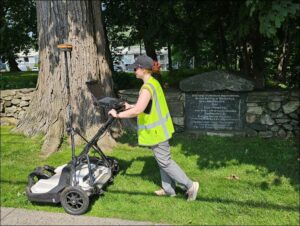
Battle of Ridgefield Archaeology Project Blog Entry #4: Ground Penetrating Radar
New archaeological fieldwork is using advanced ground penetrating radar to reveal hidden features and burial sites connected to the Battle of Ridgefield.

Battle of Ridgefield Archaeology Project Blog Entry #3: Buck and Ball
Archaeologists discovered a cache of Continental Army buttons and musket balls offering powerful evidence of where the Battle of Ridgefield’s fighting occurred.
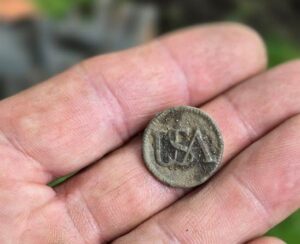
Battle of Ridgefield Archaeology Project Blog Entry #2: The Fourth Engagement
A pewter uniform button uncovered alongside musket balls offers rare material proof of a Revolutionary skirmish, linking Ridgefield’s landscape with soldiers who fought there nearly 250 years ago.
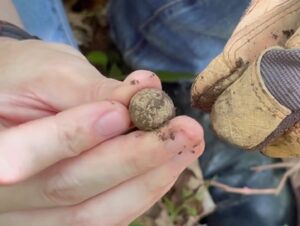
Battle of Ridgefield Archaeology Project Blog Entry #1: The Search for Battle Engagements
With funding from the National Park Service American Battlefield Protection Program, the Ridgefield Historical Society and archeologists from Heritage Consultants use hi-tech archeological equipment to search for Battle engagements throughout Ridgefield.
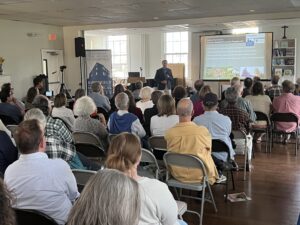
History Beneath Our Feet: Dr. Naumec Explores the Battle of Ridgefield Through Archaeology
The evening offered fresh insight into colonial-era conflict through emerging scientific techniques, engaging attendees with discoveries that promise to expand our local history.
Forensic Investigation of the Skeletal Remains
In November 2019, the Battle of Ridgefield became the subject of intense interest with the finding of human remains under the basement of a historic house, which sits not far from the main engagement. This battle was the only inland engagement of the Revolutionary War fought in Connecticut.
The Ridgefield Historical Society received a multi-year grant in 2020 from the National Park Service American Battlefield Protection Program, followed by another grant in 2023 to convert this enthusiasm into preservation action and long-term stewardship of this important site through research, archaeology, and community-based dialogue. We hired Heritage Consultants to complete the objectives of the second grant and field work commenced in Spring 2025.
The success of the project depends on local property owners giving the Historical Society and Heritage Consultants permission to examine their land. With enough cooperation, crucial artifacts may be uncovered that could resolve some of the remaining mysteries of the Battle. Any artifacts found during the survey will cataloged and preserved at the Ridgefield Historical Society and shared with the Ridgefield community as tangible reminders of a significant moment in the history of the U.S and Ridgefield. Please fill out this property owner permission form to be considered for the study.
For more information about our Battle of Ridgefield project, please email: [email protected]
Fund for the Forensic Study of Skeletal Remains
The Ridgefield Historical Society has established a special fund to provide financial support for the forensic work and for the eventual reinterment of the remains to help identify and honor the men who died on Ridgefield’s battleground.
Watch for ongoing updates to this developing story:
- Three skeletons, possibly Revolutionary War soldiers, found under Ridgefield house, Stephen Coulter, Ridgefield Press, 12/17/2019
- Skeletons found near Ridgefield battle site fascinates history lovers, Macklin Reid, Ridgefield Press, 12/18/19
- Revolutionary War soldiers? State archaeologist believes Ridgefield skeletons fit the bill, Stephen Coulter, Ridgefield Press, 12/18/2019
- Experts to determine if remains found in Ridgefield are from American Revolution, reported by Mark Sudol, News 12 Connecticut, 12/18/2019
- Digging Up History in Ridgefield: Archaeologist, Historians, Scientist Study Three Skeletons, Possibly Revolutionary War Soldiers, HamletHub, 12/18/2019
- Skeletons that may be the remains of Revolutionary War soldiers discovered beneath historic house, Fox News, 12/20/2019
- QU Students Studying Skeletal Remains Found in Ridgefield (video), NBC Connecticut, 1/3/2020
- Possible Revolutionary War remains studied at Quinnipiac University in North Haven, Record-Journal, 1/3/2020
- Tests Begin on Bones That May Be Revolutionary War Soldiers, U.S. News, 1/3/2020
- Skeletal Remains Found in Ridgefield May Be Revolutionary War Soldiers, UConn Today, 1/15/2020
- Fourth skeleton discovered in Ridgefield, Ridgefield Press, 1/20/2020
- Update coming on Ridgefield skeletons, News Times, 2/28/2020
Testing on the skeletal remains was suspended due to the pandemic. We are awaiting news of any change to this situation from state archaeologist Sarah Sportman.
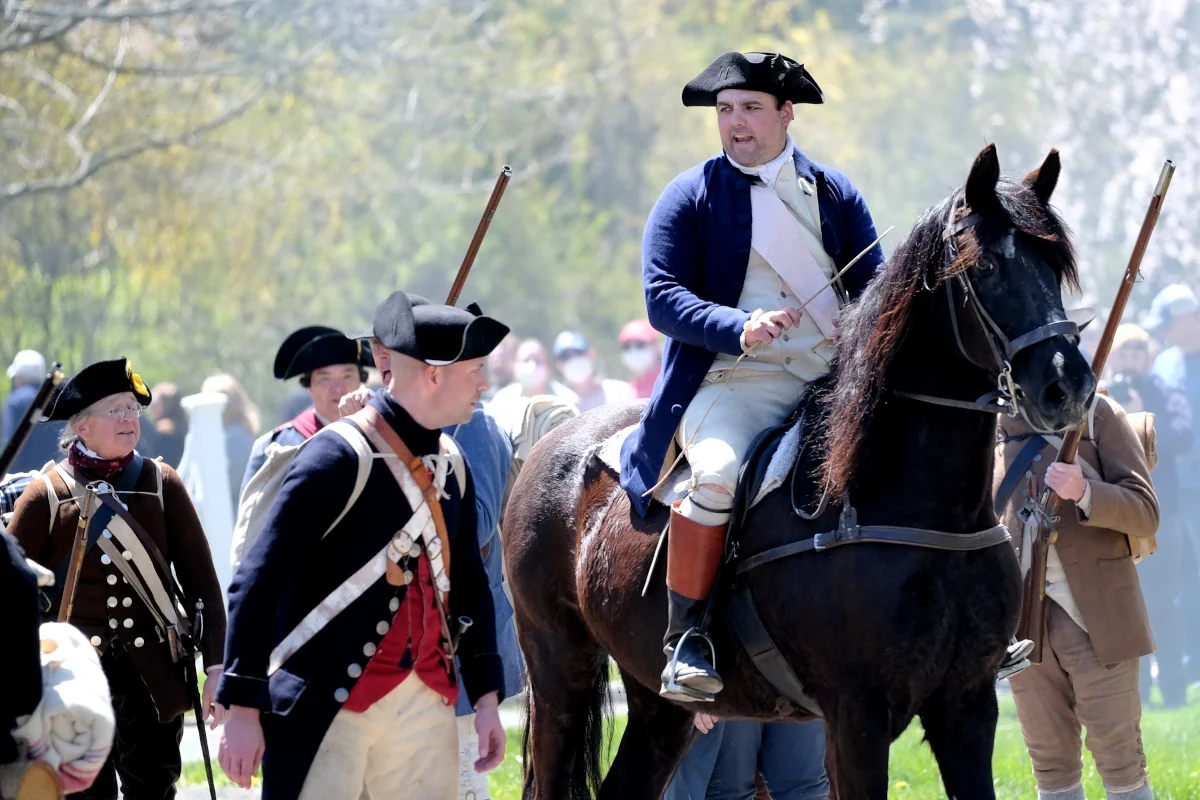
Battle of Ridgefield 250th Anniversary Reenactment
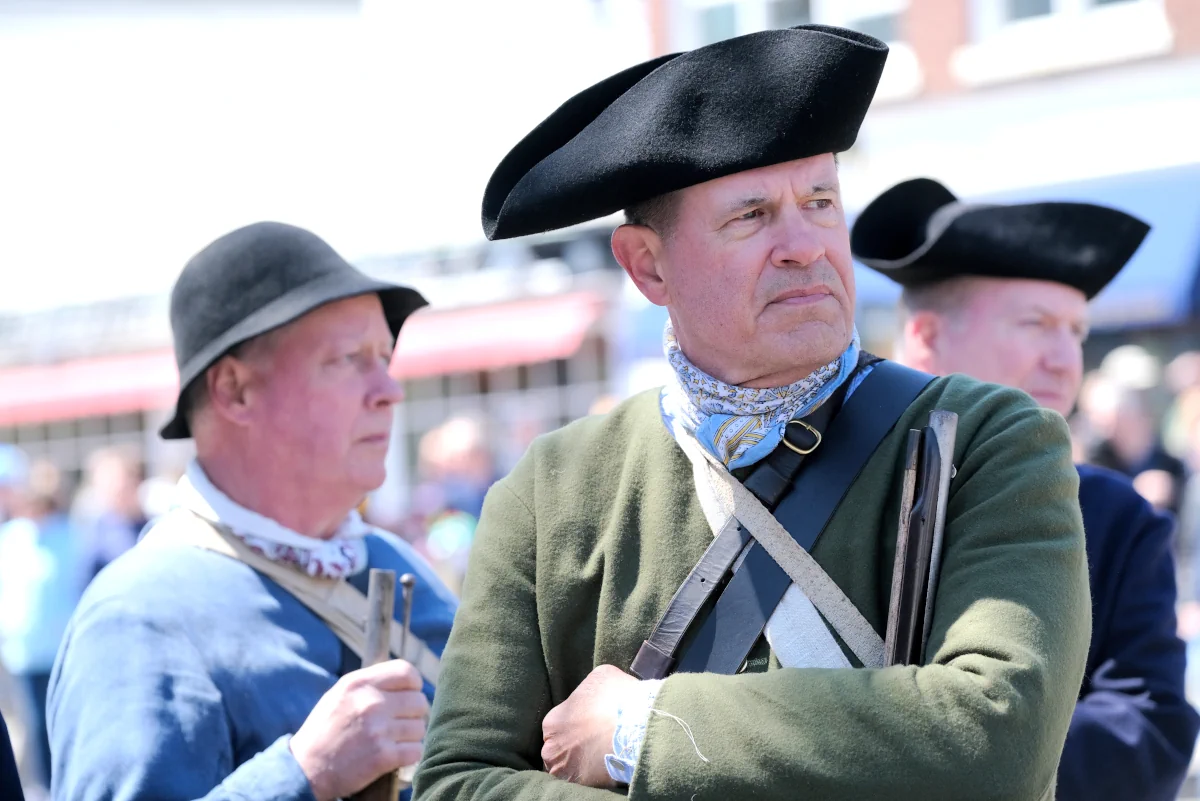
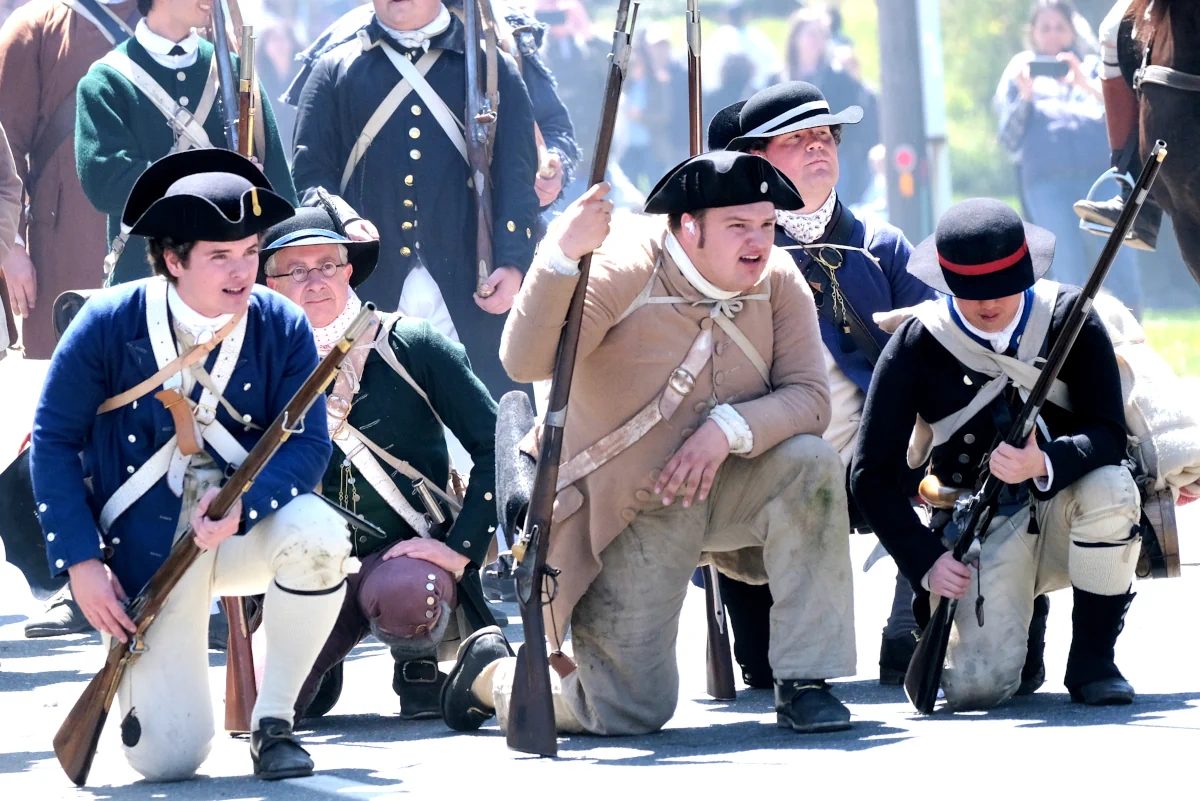
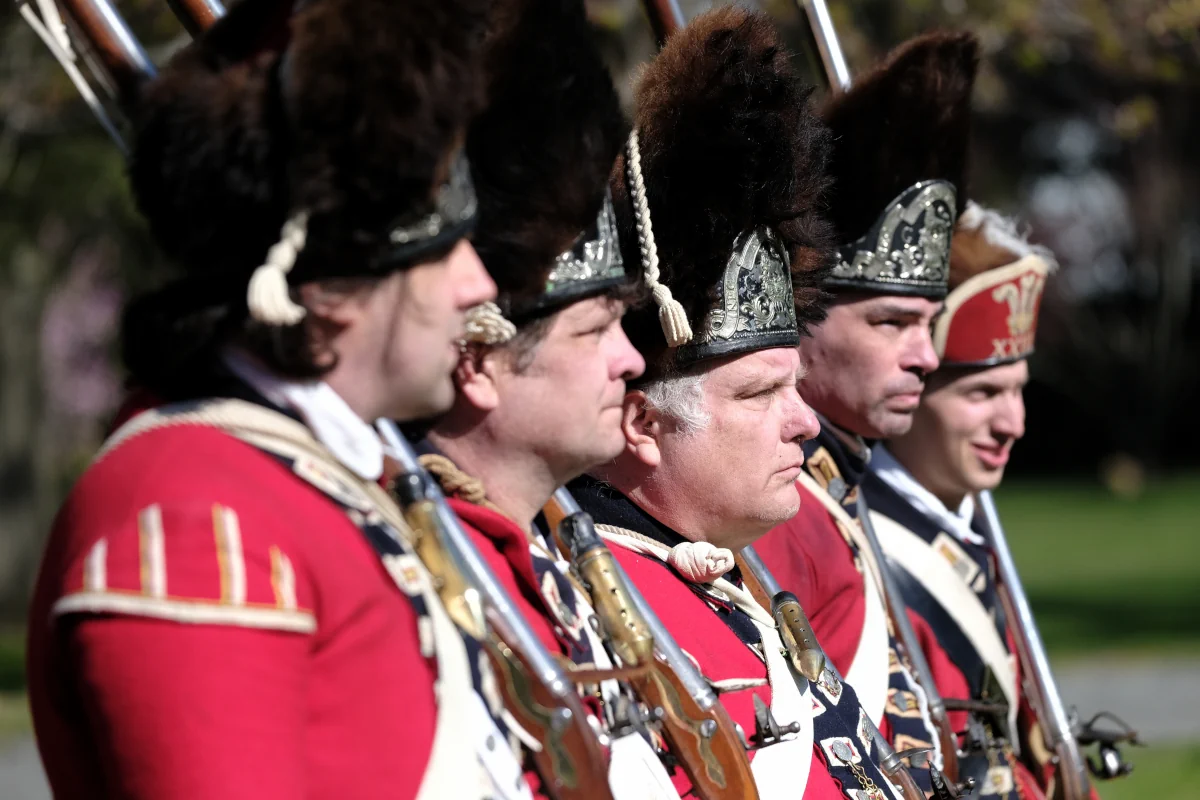
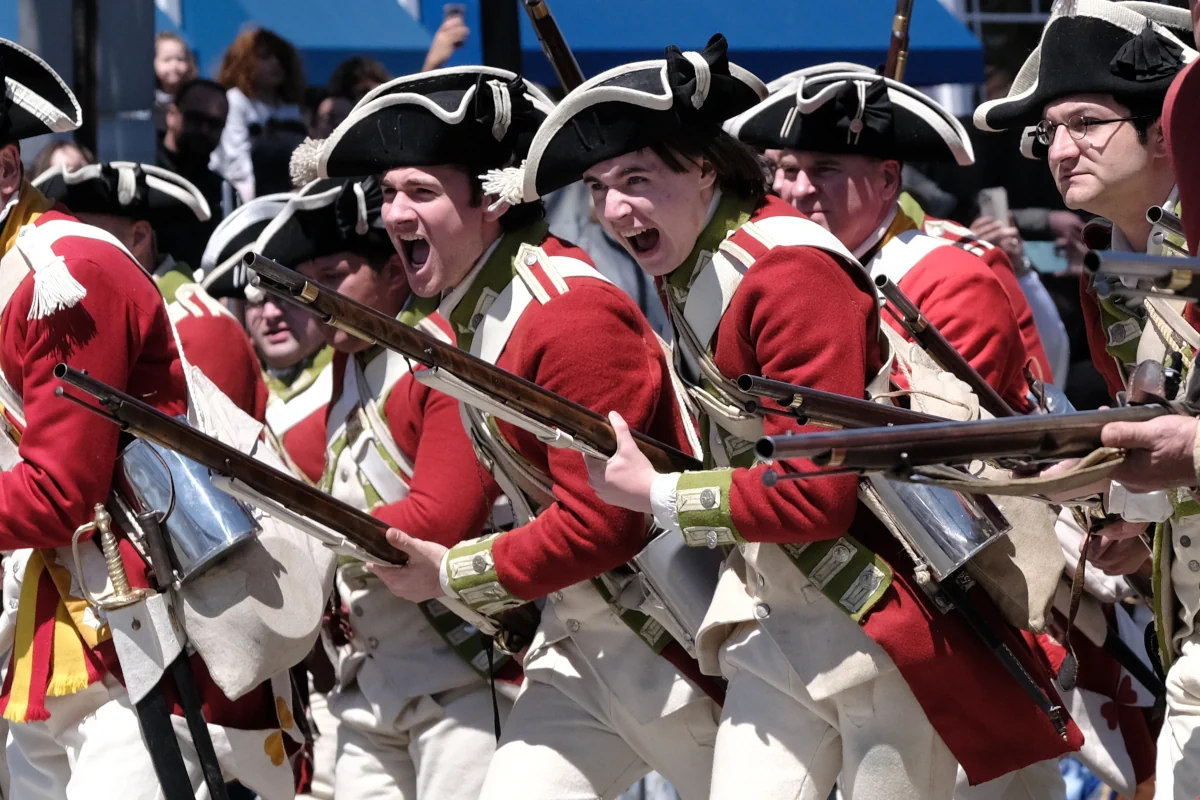
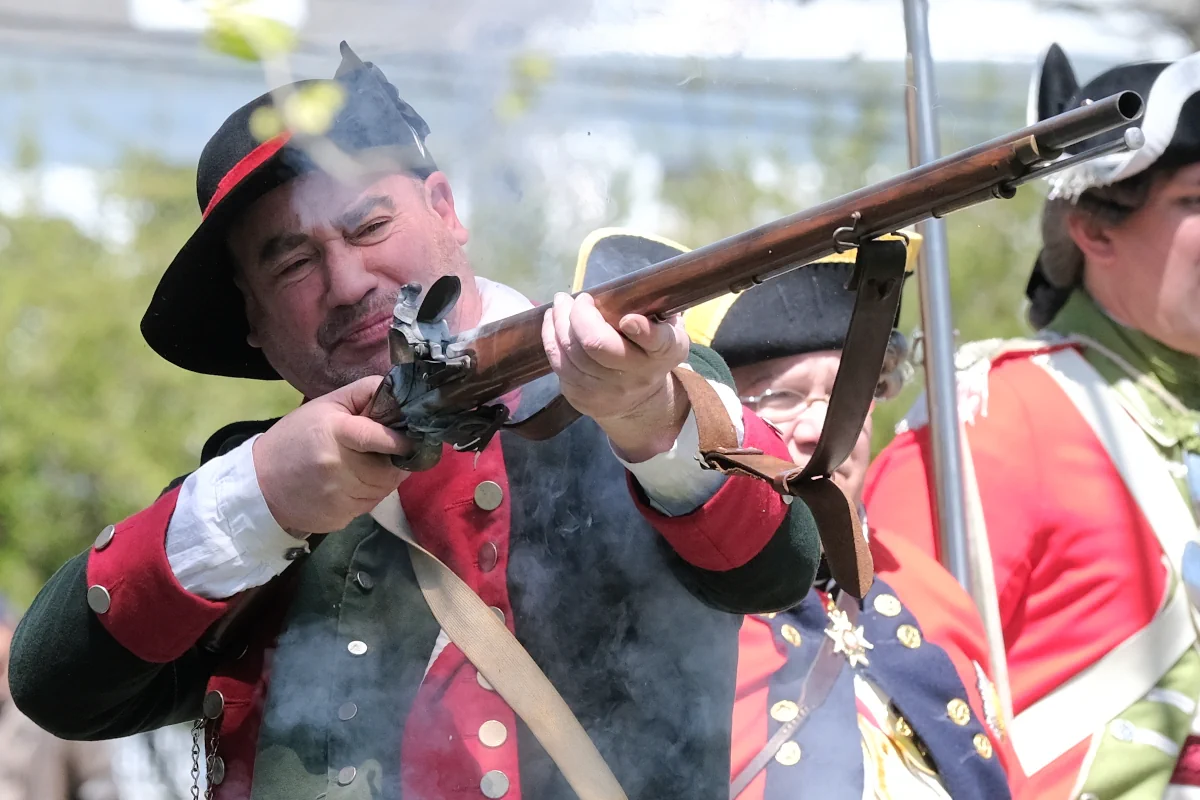
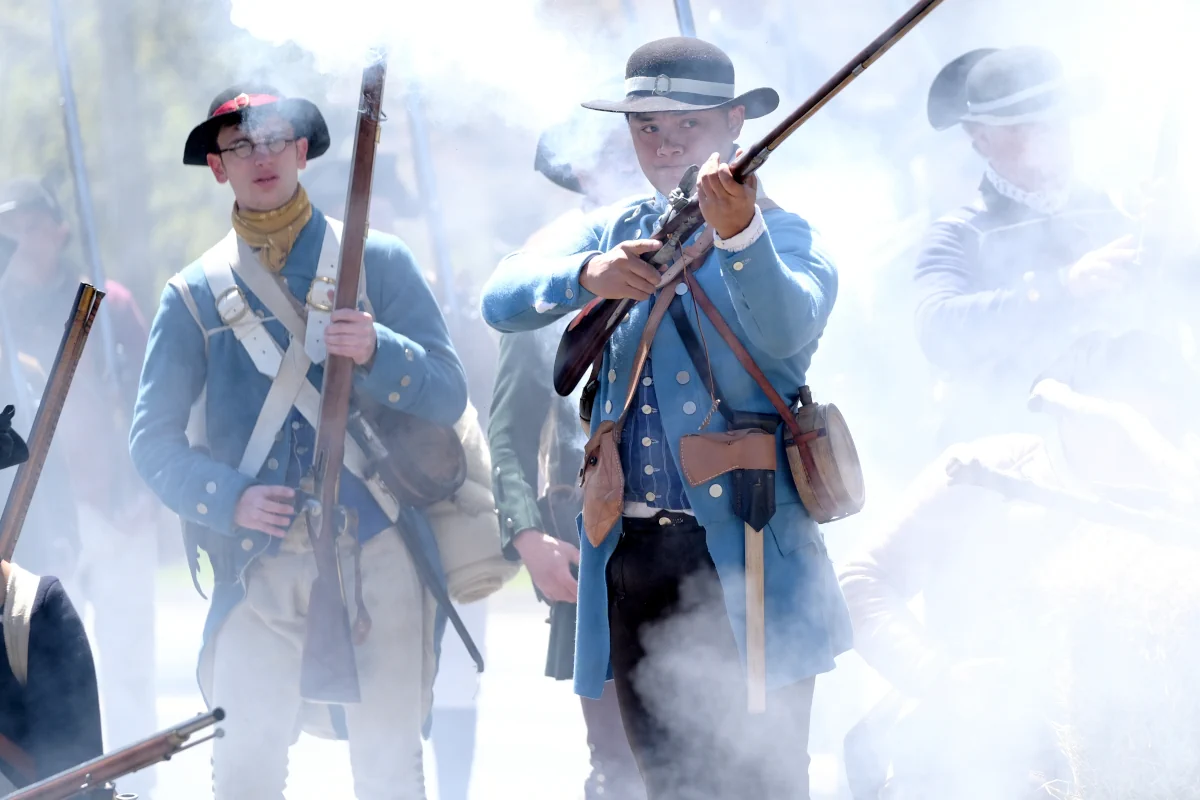
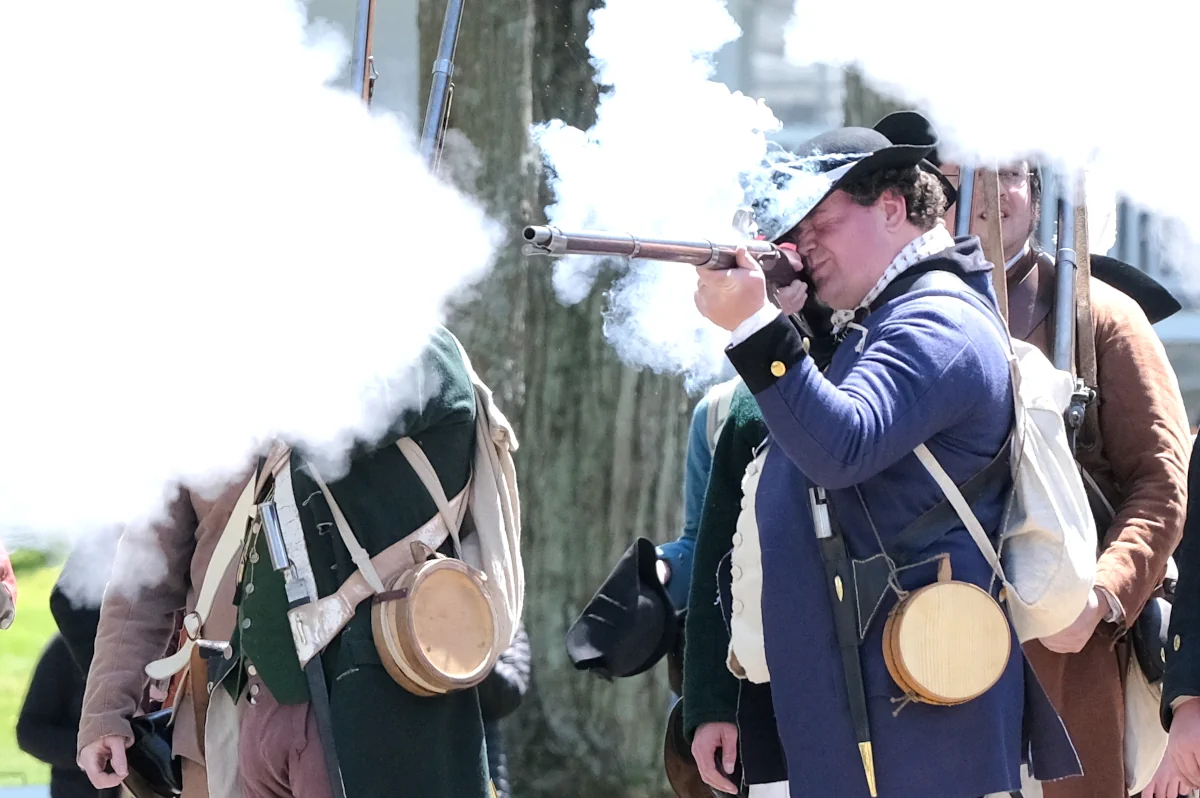
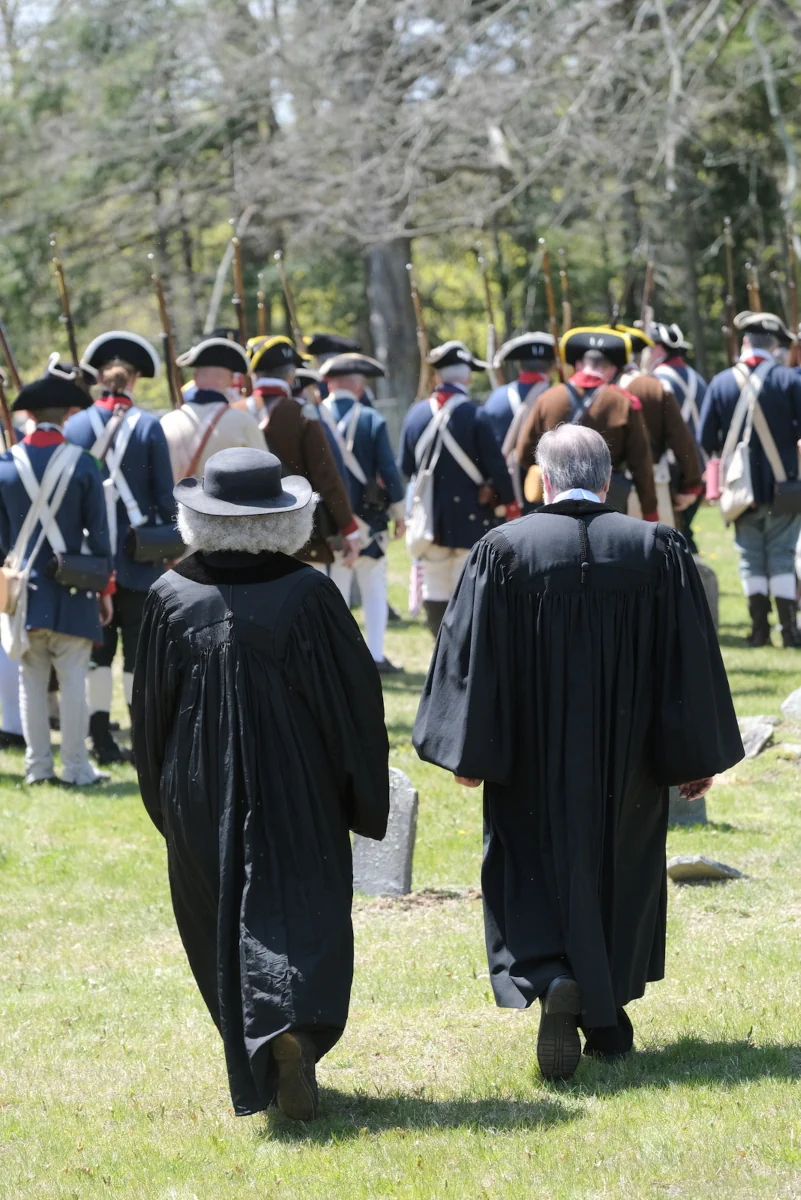
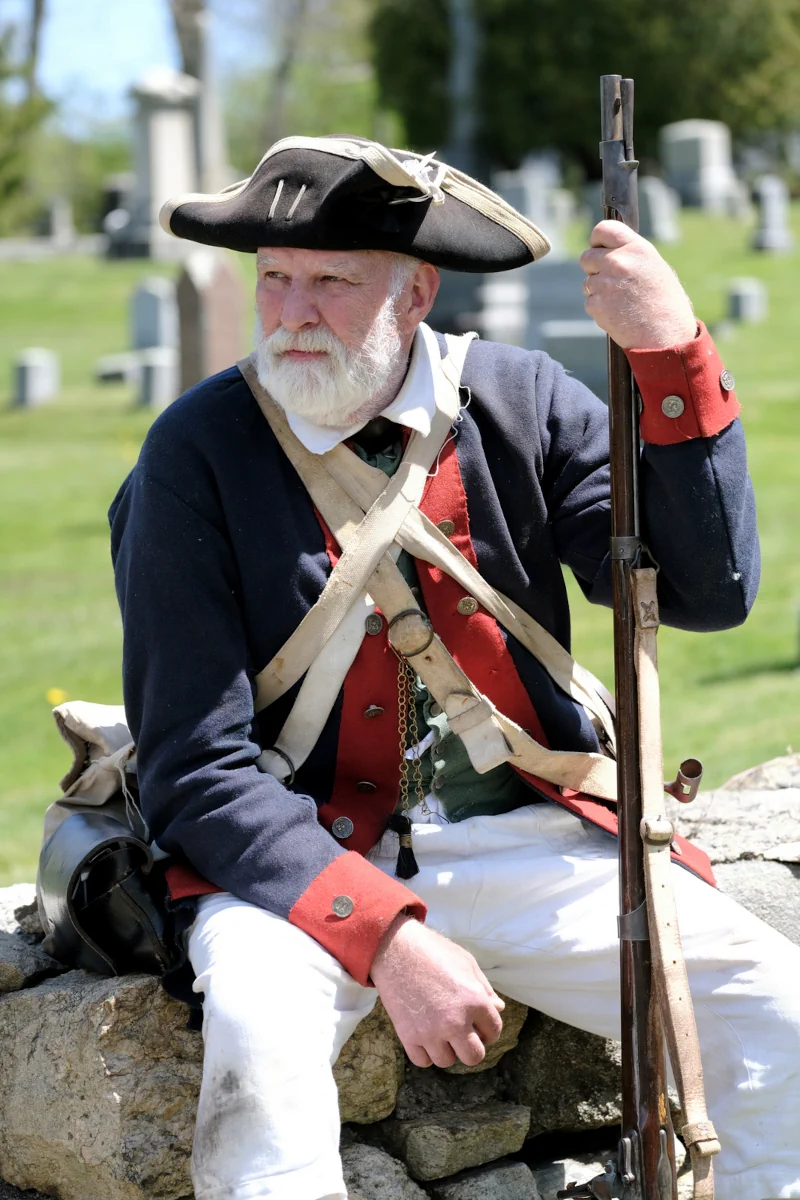
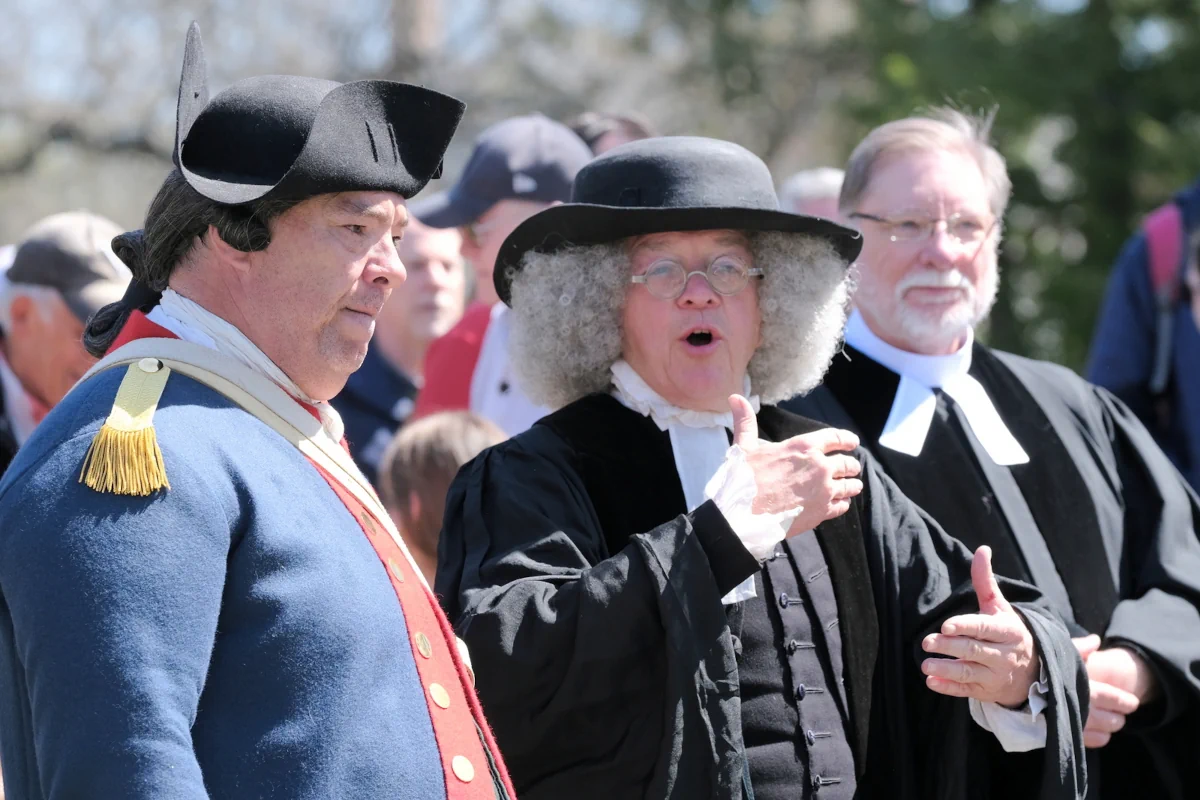
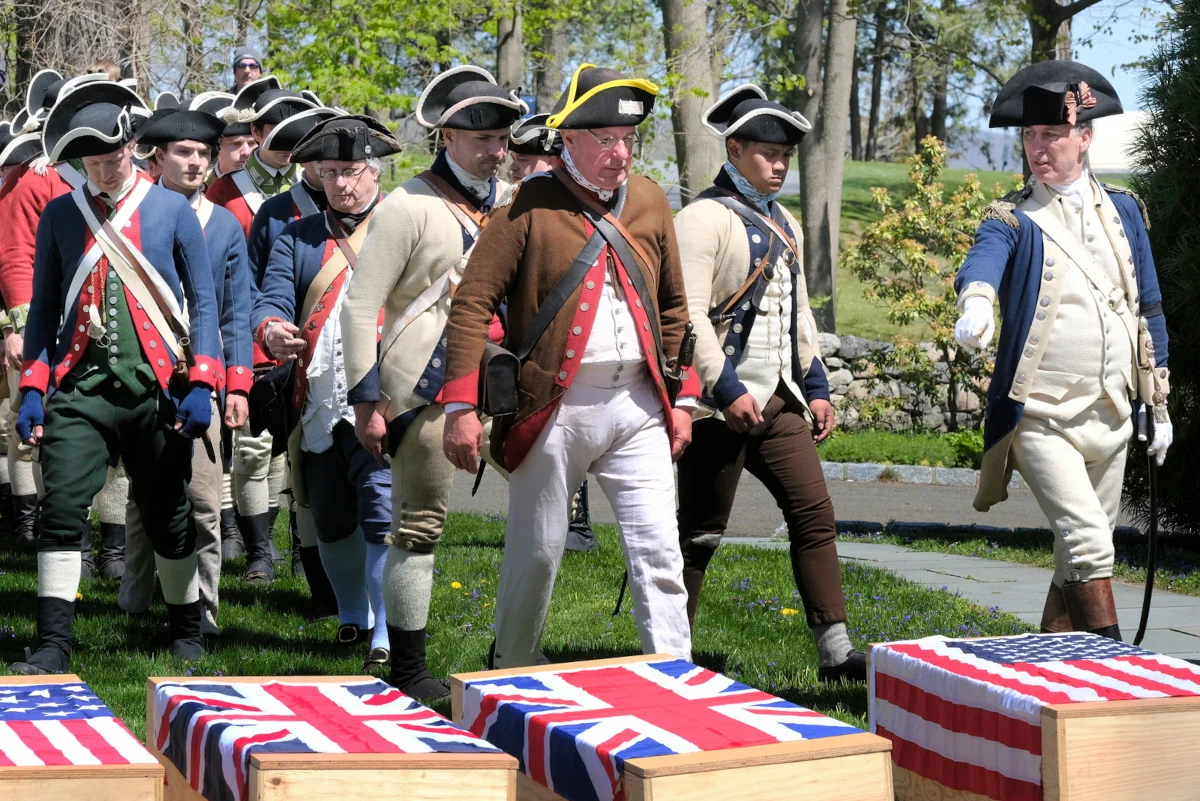
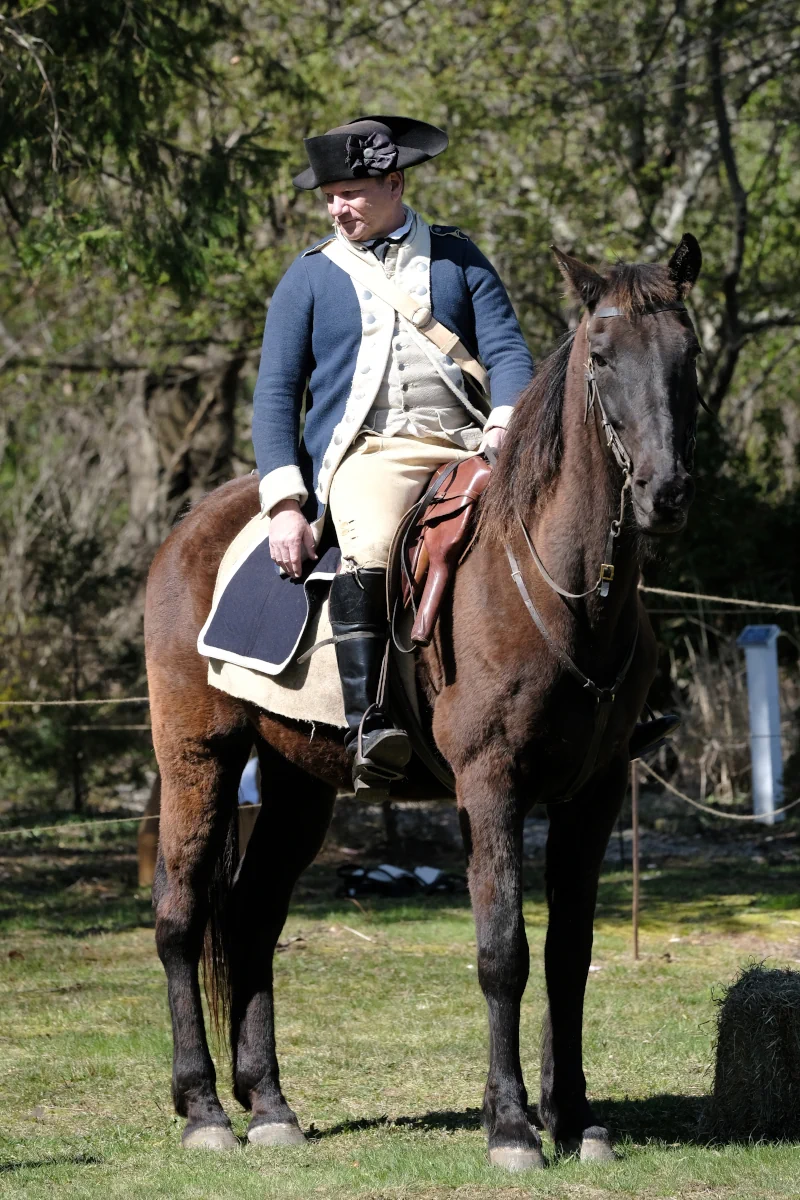
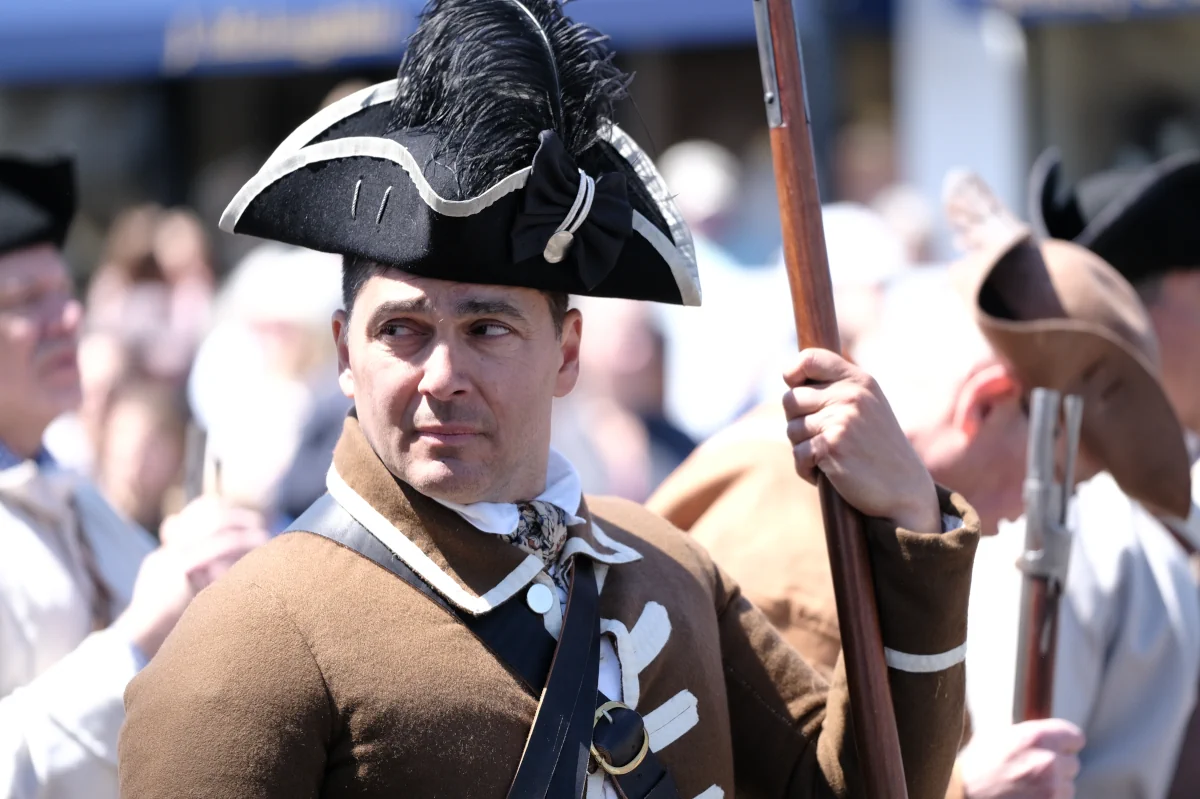
Every five years, the Ridgefield Historical Society and the Town of Ridgefield commemorate the Battle of Ridgefield with a full weekend of events, turning back the clock, and bringing the history and characters of the time alive, as well as introducing new important discoveries regarding the Battle.
Look for updates on this site to learn more, help plan, or participate.
Save the date for the next reenactment which will commemorate the 250th anniversary of the Battle: Saturday, April 24, 2027.
Advisory Committee
The Battle of Ridgefield Archaeology Project initiative is guided by a Battle of Ridgefield Archaeology Project Advisory Committee, composed of Connecticut’s leading historians, archaeologists, tribal representatives, preservationists, and civic leaders. Members include:
- Stephen Bartkus, Ridgefield Historical Society Executive Director
- Dr. Andy Horowitz, Connecticut State Historian and Professor of History at UConn
- Ed Hynes, Battle of Ridgefield Historian
- Keith Jones, Ridgefield Historical Society Founding President, Battle of Ridgefield Historian, and Author of two books about the Battle
- Cathy Labadia, Deputy State Historic Preservation Officer and Archaeologist
- Rudy Marconi, Ridgefield First Selectperson
- Dr. Anthony Martin, Central Connecticut State University Professor and Archaeologist
- Dan O’Brien, Chairman of the Ridgefield Historic District Commission
- Betsy Reid, Ridgefield Historical Society Collections Manager
- Robert Ross, CT Office of Military Affairs Executive Director
- Steven Meyers, Ridgefield Historical Society Board President
- James Segelstein, Ridgefield Historical Society Board of Directors and Chairman of the Battle of Ridgefield Project Advisory Committee
- Dr. Sarah Sportman, Connecticut State Archaeologist
- Ruth Torres, Vice Chair of the Board of Directors of CT Humanities and Brown University Native American and Indigenous Studies Initiative
- Dr. Tom Valluzzo, Battle of Ridgefield Historian
The Ridgefield Historical Society is once again partnering with Heritage Consultants, a Connecticut-based cultural resource management firm nationally recognized for its battlefield investigations. The project is led by a distinguished team of experts: Dr. David Naumec, Dr. Kevin McBride, and David George.
Dr. David Naumec is a military historian and battlefield archaeologist whose work has shaped preservation efforts for 20 years at both the state and national levels. Dr. Naumec emphasizes the importance of the upcoming survey, “We’re standing on historic ground. Every artifact we uncover has the potential to confirm—or even rewrite—a chapter of Ridgefield’s Revolutionary War story. This project allows us to reconstruct the battle through archaeology, combining historical records with physical evidence left behind to better understand how the conflict unfolded—and the experiences of the soldiers and civilians caught in it.”
Dr. Kevin McBride, Associate Professor of Anthropology at the University of Connecticut and former Director of Research at the Mashantucket Pequot Museum and Research Center, has more than 40 years of experience in Colonial and Native American history and has directed 14 National Park Service battlefield studies across Connecticut, Massachusetts, and Rhode Island with Dr. Naumec.
Mr. David George has 30 years of work in southern New England archaeology with a focus on the first contact between Europeans and Native Americans, and early historic sites, including Revolutionary War-era residences and Fort Griswold, the site of a 1781 Groton Heights Battle.
Dr. Naumec emphasizes the importance of the upcoming survey, “We’re standing on historic ground. Every artifact we uncover has the potential to confirm—or even rewrite—a chapter of Ridgefield’s Revolutionary War story. This project allows us to reconstruct the battle through archaeology, combining historical records with physical evidence left behind to better understand how the conflict unfolded—and the experiences of the soldiers and civilians caught in it.”
Using advanced hi-tech archaeological methods—including metal detection, ground-penetrating radar, and precision GPS/GIS mapping—the team is documenting the battlefield’s extent and integrity. Their findings will help guide local preservation efforts and expand our understanding of the Revolutionary War in Connecticut.